Safety Precautions for BESS

Safety Precautions for BESS

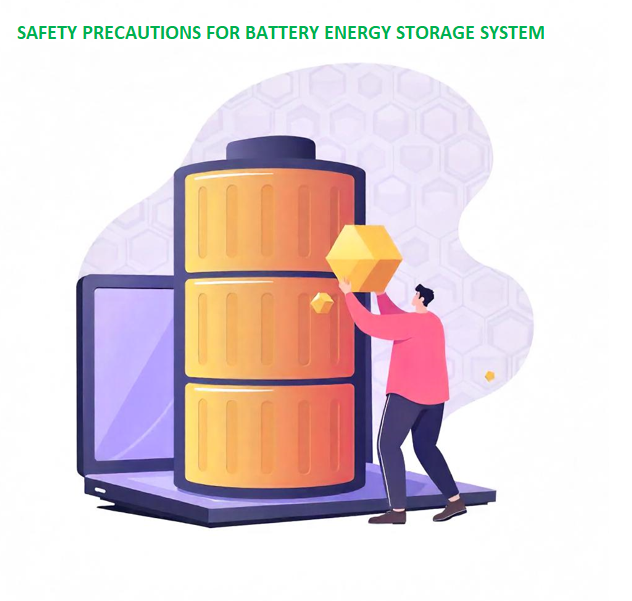
Safety Precautions for Battery Energy Storage Systems (BESS)

To ensure the safe operation and maintenance of Battery Energy Storage Systems, all personnel must strictly adhere to the following safety precautions:

1. Qualified Personnel Only

Only operators with relevant professional qualifications or those who have received specialized training in electrical equipment installation and commissioning are permitted to operate the system.

2. Familiarity with User Manual

Operators must thoroughly understand and follow the product’s User Manual to ensure correct handling and maintenance.

3. Emergency Preparedness

Operators should be trained to respond quickly and effectively to any hazardous or unexpected situations during installation or commissioning. Personal protective equipment (PPE) must be worn at all times during maintenance activities.

4. Use of Insulated Tools

All metal tools used during maintenance must be properly insulated to prevent accidental electrical contact.

5. Safe Module Replacement

When replacing battery modules, improper handling can lead to dropping hazards. Personnel must wear high-strength, safety-rated protective footwear to prevent injury.

6. Restricted Access to Battery Cells

Untrained or unauthorized personnel must not open battery cells. The internal electrolyte contains corrosive and hazardous substances that can harm skin and eyes.

7. Do Not Tamper with Warning Labels

System warning labels provide essential safety instructions. These labels must remain intact and must not be removed or damaged.

8. Two-Person Operations

All work inside the system must be conducted by at least two individuals. Each person must wear appropriate PPE, including insulated gloves and shoes.

9. No Open Flames or Smoking

Smoking or any open flames are strictly prohibited within or near the system. Before handling any DC components (e.g., battery modules or busbars), verify that they are properly
insulated from the system.

10. Long-Term Storage Considerations

Leaving the battery idle for extended periods can degrade its performance and lifespan. If the system is to be shut down for 3 months or longer, disconnect all electrical connections and ensure the battery retains some charge.

11. Emergency Stop Access

An emergency stop (E-stop) button must be easily accessible for immediate system shutdown during critical situations.

12. Restricted Access Control

Only authorized personnel should be allowed into the battery container. Access control systems and entry logs must be implemented to prevent unauthorized entry.

13. Proper Ventilation

Ensure that HVAC and ventilation systems are functional at all times to avoid thermal buildup and overheating.

14. Regular Safety Training

Conduct regular safety drills and refresher training for all operators to enhance readiness in the event of fire, electrical shock, or chemical exposure..

15. Use Compatible Chargers

Only chargers specifically designed for the battery’s chemistry should be used to prevent charging hazards or battery damage.

16. Maintain Safe Spacing

Maintain a minimum distance of 3 meters between two battery containers to prevent fire spread and allow safe access.

17. Standard-Compliant Grounding

Ensure that all BESS equipment grounding complies with relevant electrical safety standards.
Impacts of Calendar Aging of Cell on BESS

Impacts of Calendar Aging of Cell on BESS

What Is Calendar Aging?

Calendar aging refers to the deterioration of battery components due to chemical reactions that occur over time, independent of charge-discharge cycles.

Calendar aging significantly impacts Battery Energy Storage Systems (BESS) by causing capacity degradation and increased internal resistance over time, even when the batteries are not actively cycled. This degradation affects the performance, reliability, and economic viability of BESS installations.

Key factors influencing calendar aging include:

  • Temperature: Elevated temperatures accelerate chemical reactions within the battery, leading to faster degradation.
  • State of Charge (SoC): Storing batteries at high SoC levels (e.g., above 80%) can increase the rate of capacity loss.
  • Time: Prolonged storage, even under optimal conditions, contributes to gradual degradation.

These factors lead to the growth of the Solid Electrolyte Interphase (SEI) layer on the anode, consuming active lithium and increasing internal resistance, thereby reducing the battery’s capacity and efficiency.

Impact on Battery Energy Storage Systems (BESS)

  1. Capacity Reduction: Calendar aging diminishes the energy storage capacity of BESS, limiting the amount of energy available for dispatch and reducing the system’s effectiveness in applications like peak shaving or load balancing.
  2. Increased Internal Resistance: As internal resistance rises, the efficiency of energy conversion decreases, leading to higher energy losses during charging and discharging processes.
  3. Economic Implications: Decreased capacity and efficiency can shorten the service life of BESS, impacting return on investment and increasing the levelized cost of storage.
  4. Operational Challenges: To mitigate the effects of calendar aging, BESS operators may need to implement more sophisticated energy management strategies, potentially increasing operational complexity and costs.

Mitigation Strategies

To minimize the impact of calendar aging on BESS:

  • Temperature Control: Maintain optimal operating temperatures (typically around 25°C) to slow down degradation processes.
  • SoC Management: Avoid storing batteries at high SoC levels for extended periods; instead, maintain a moderate SoC (e.g., 40-60%) during idle times.
  • Regular Cycling: Periodic charging and discharging can help prevent the buildup of detrimental chemical layers within the battery.
  • Advanced Battery Management Systems (BMS): Utilize BMS with algorithms designed to optimize charging patterns and thermal conditions, thereby extending battery life.

Understanding and addressing calendar aging is crucial for the sustainable operation of BESS. By implementing appropriate mitigation strategies, operators can enhance system longevity and performance.

Cycle life Vs Calendar Life of Cell

Cycle life Vs Calendar Life of Cell

Understanding the longevity of lithium-ion batteries is crucial, especially as they become integral to various applications, from electric vehicles to renewable energy storage. Two primary metrics define battery lifespan: cycle life and calendar life. While they both pertain to battery degradation, they represent different aspects of performance decay.

Cycle Life: Measuring Usage-Based Degradation

Cycle life refers to the number of complete charge and discharge cycles a battery can undergo before its capacity falls to a specified percentage (commonly 80%) of its original capacity. This metric is pivotal in assessing the battery’s durability under regular use.

Factors Influencing Cycle Life:

  • Depth of Discharge (DoD): Deeper discharges can shorten cycle life. For instance, discharging a battery to 100% DoD may result in fewer cycles compared to 50% DoD.
  • Charge/Discharge Rates: High rates can generate more heat, accelerating degradation.
  • Operating Temperature: Elevated temperatures can speed up chemical reactions, leading to faster capacity loss.
  • Battery Chemistry: Different chemistries exhibit varying cycle lives. For example, Lithium Iron Phosphate (LFP) batteries often support more than 3,000 cycles under most conditions, and under optimal conditions, they support more than 10,000 cycles. Nickel Manganese Cobalt (NMC) batteries typically offer about 1,000 to 2,300 cycles, depending on conditions.

Illustrative Data:

  • At 25°C with 100% DoD:
    • After 6,000 cycles: ≥80% capacity retention.
    • After 9,000 cycles: ≥70% capacity retention.
    • After 12,000 cycles: ≥60% capacity retention.
  • At 45°C with 100% DoD:
    • After 3,000 cycles: ≥80% capacity retention.
    • After 4,500 cycles: ≥70% capacity retention.
    • After 6,000 cycles: ≥60% capacity retention.


Calendar Life: Time-Induced Degradation

Calendar life denotes the duration a battery can retain its performance while not in active use. Even when idle, batteries undergo chemical reactions that degrade their components over time.

Factors Influencing Calendar Life:

  • Storage Temperature: Higher temperatures accelerate chemical degradation.
  • State of Charge (SoC): Storing batteries at high SoC levels can lead to faster capacity loss.
  • Battery Chemistry: Some chemistries are more stable over time. For instance, LFP batteries often have a longer calendar life than nickel-rich chemistries.

Typical Calendar Life Expectations for LFP Batteries:

  • 15 years: ≥80% capacity retention.
  • 18 years: ≥70% capacity retention.
  • 20 years: ≥60% capacity retention.

These figures assume optimal storage conditions, such as moderate temperatures and SoC levels.

Balancing Cycle and Calendar Life

While cycle life focuses on usage-induced degradation, calendar life emphasizes time-induced degradation. In real-world applications, both factors interplay. For instance, a battery used infrequently but stored at high temperatures may experience significant capacity loss due to calendar aging.

Strategies to Maximize Battery Lifespan:

  • Temperature Management: Store and operate batteries in environments with moderate temperatures.
  • Optimal SoC Storage: Maintain batteries at a partial charge (typically around 40-60%) during storage.
  • Regular Usage: Periodic cycling can help maintain battery health, preventing certain degradation mechanisms.
  • Advanced Battery Management Systems (BMS): Implement BMS that monitor and adjust charging patterns, temperatures, and other parameters to optimize battery health.

Understanding the distinctions between cycle life and calendar life is essential for optimizing battery usage, ensuring longevity, and maximizing return on investment. By considering both metrics and implementing appropriate strategies, users can enhance the performance and durability of their lithium-ion batteries.

BESS as EV Charging Infrastructure

BESS as EV Charging Infrastructure

India’s electric vehicle (EV) landscape is undergoing a transformative shift, marked by significant advancements in charging infrastructure and the integration of innovative technologies like Battery Energy Storage Systems (BESS). These developments are pivotal in steering the nation toward a sustainable and eco-friendly transportation future.

India’s EV Charging Infrastructure: A Rapid Expansion

National Initiatives

The Indian government has launched the PM E-DRIVE scheme with a substantial allocation of ₹2,000 crore, aiming to install approximately 72,000 public EV charging stations nationwide by the end of FY26. These stations are strategically planned along 50 national highway corridors and in high-traffic areas such as metro cities, toll plazas, railway stations, airports, fuel outlets, and state highways.

Maharashtra’s Ambitious EV Policy includes Installation of charging stations every 25 km along state and national highways, and mandatory charging facilities in government office complexes.

Delhi’s EV Infrastructure pushes establishing low-cost, fast-charging stations every 5 km, particularly along the Outer Ring Road.

Integrating Battery Energy Storage Systems (BESS) with EV Charging

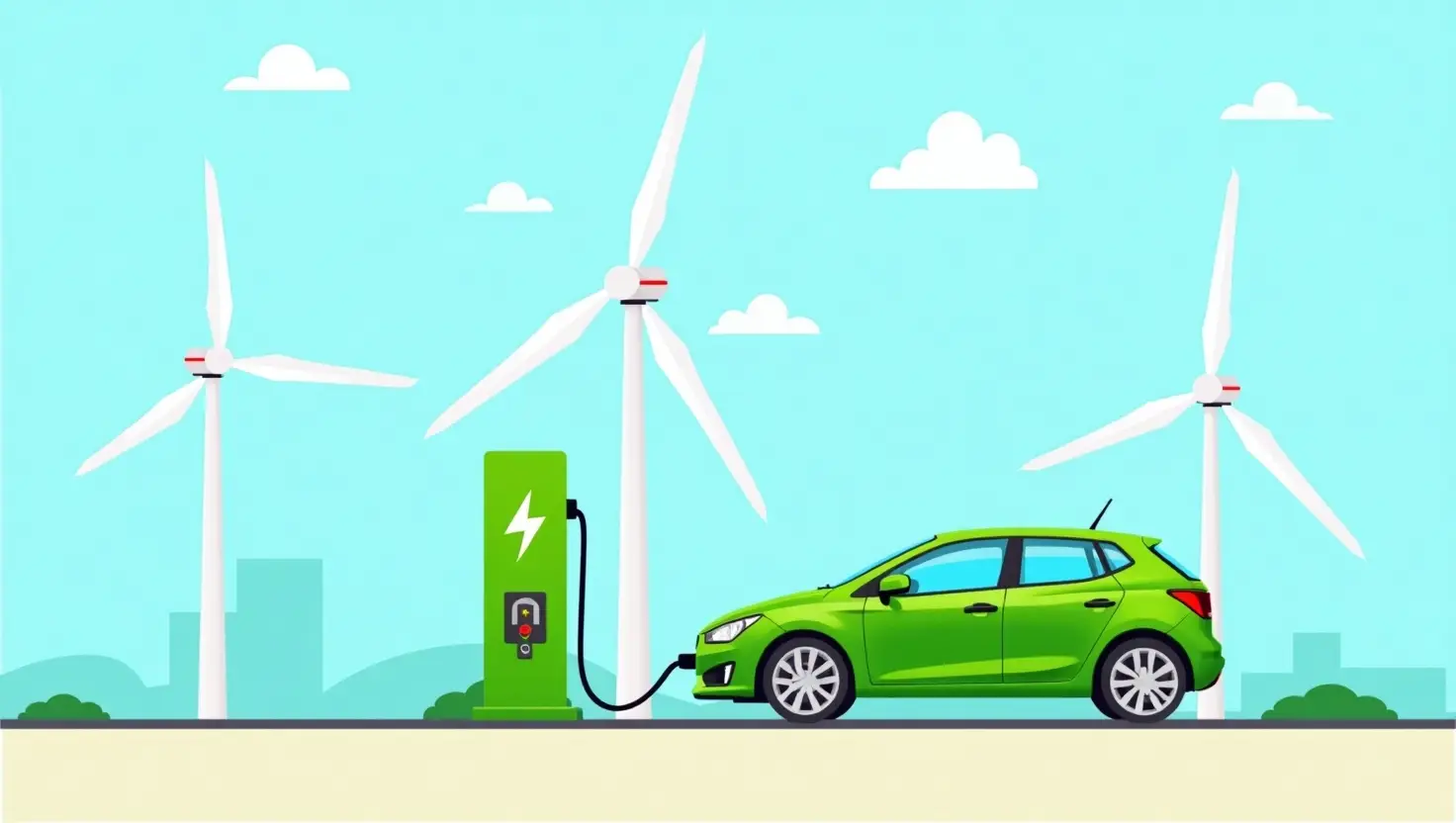
As the adoption of EVs accelerates, the integration of Battery Energy Storage Systems (BESS) with charging stations is becoming increasingly vital. BESS units store energy from the grid during off-peak hours and release it during peak demand, ensuring a stable and efficient power supply for EV charging.

Benefits of BESS Integration

  • Grid Stability: By smoothing out power flow, BESS units prevent power outages and reduce the risk of power surges, enhancing the reliability of the charging infrastructure.
  • Cost Efficiency: Storing energy during off-peak hours and utilizing it during peak times can significantly reduce operational costs for charging stations.
  • Backup Power: In case of grid outages or emergencies, BESS units provide a reliable backup power source, ensuring uninterrupted charging services.
  • Enhanced Charging Performance: BESS integration supports high-power charging capabilities, reducing charging times and improving the overall user experience.

The Road Ahead

India’s concerted efforts in expanding EV charging infrastructure and integrating advanced technologies like BESS are crucial steps toward achieving a sustainable transportation ecosystem. These initiatives not only address current challenges but also lay the groundwork for a resilient and efficient EV future.

As the nation continues to invest in green mobility solutions, the synergy between government policies, technological innovation, and public-private partnerships will be instrumental in driving the EV revolution forward.